Table of Contents
Our Top Picks at a Glance
Every product below is drawn from our own hands-on reviews, ranked by real buyer ratings, with live availability and pricing on Amazon.
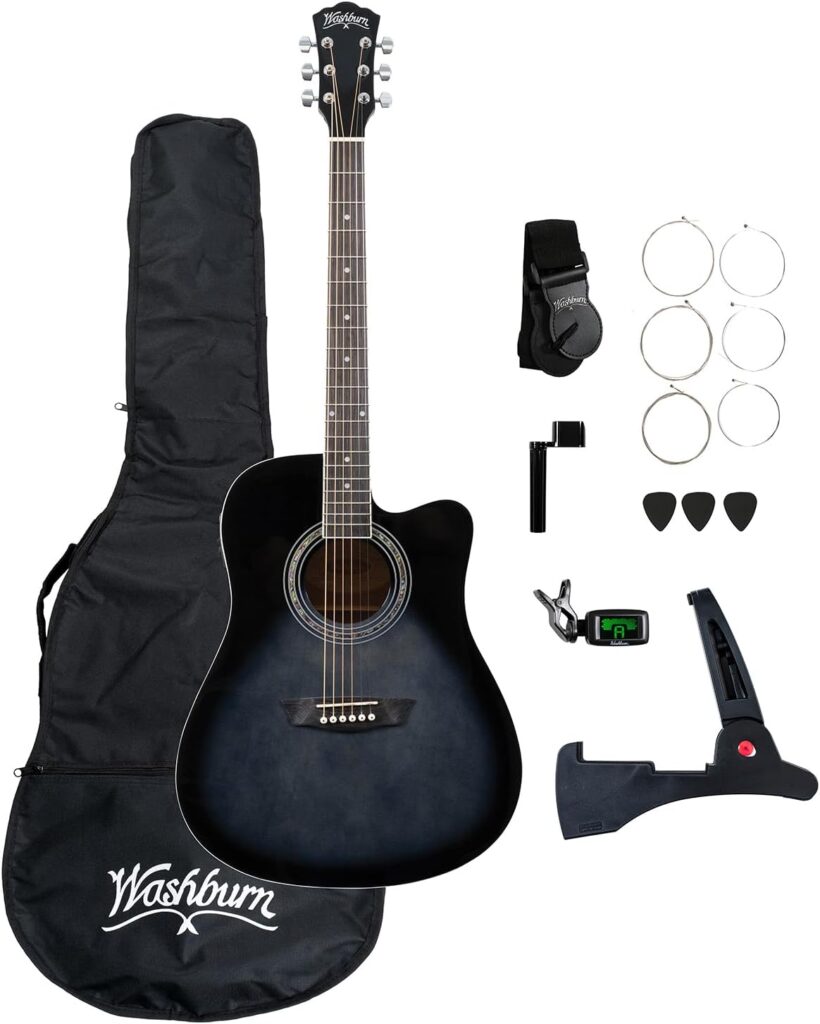
Washburn Acoustic
Washburn acoustic guitars blend a legacy of craftsmanship with rich tone, delivering exceptional value for players at any level.
Most buyers find the Washburn acoustic-electric guitar to be an outstanding value, especially for beginners or as a reliable backup instrument.
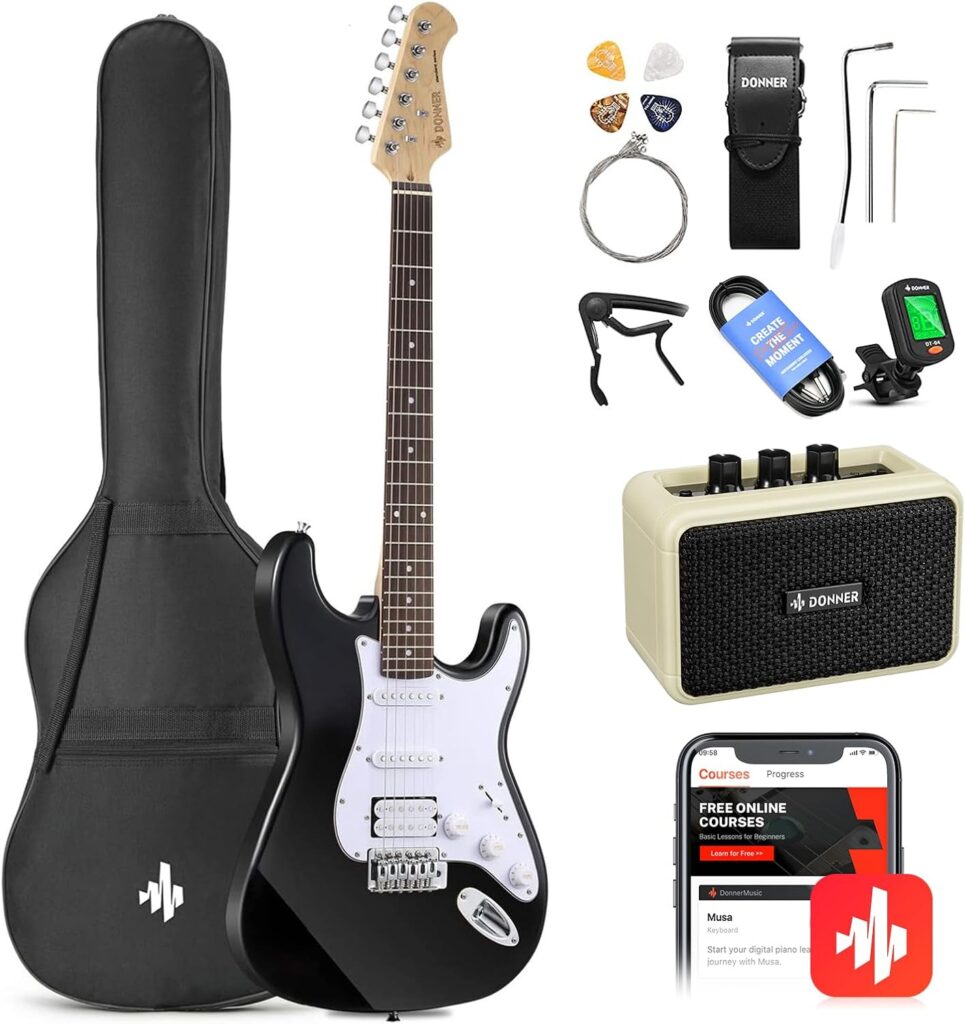
Donner Electric Guitar Beginner Kit
This all-in-one kit offers exceptional value, bundling a quality beginner's guitar and every necessary accessory to start playing immediately.
Overall, customers widely agree that the Donner Electric Guitar Beginner Kit offers outstanding value, making it a highly recommended choice for aspiring musicians.
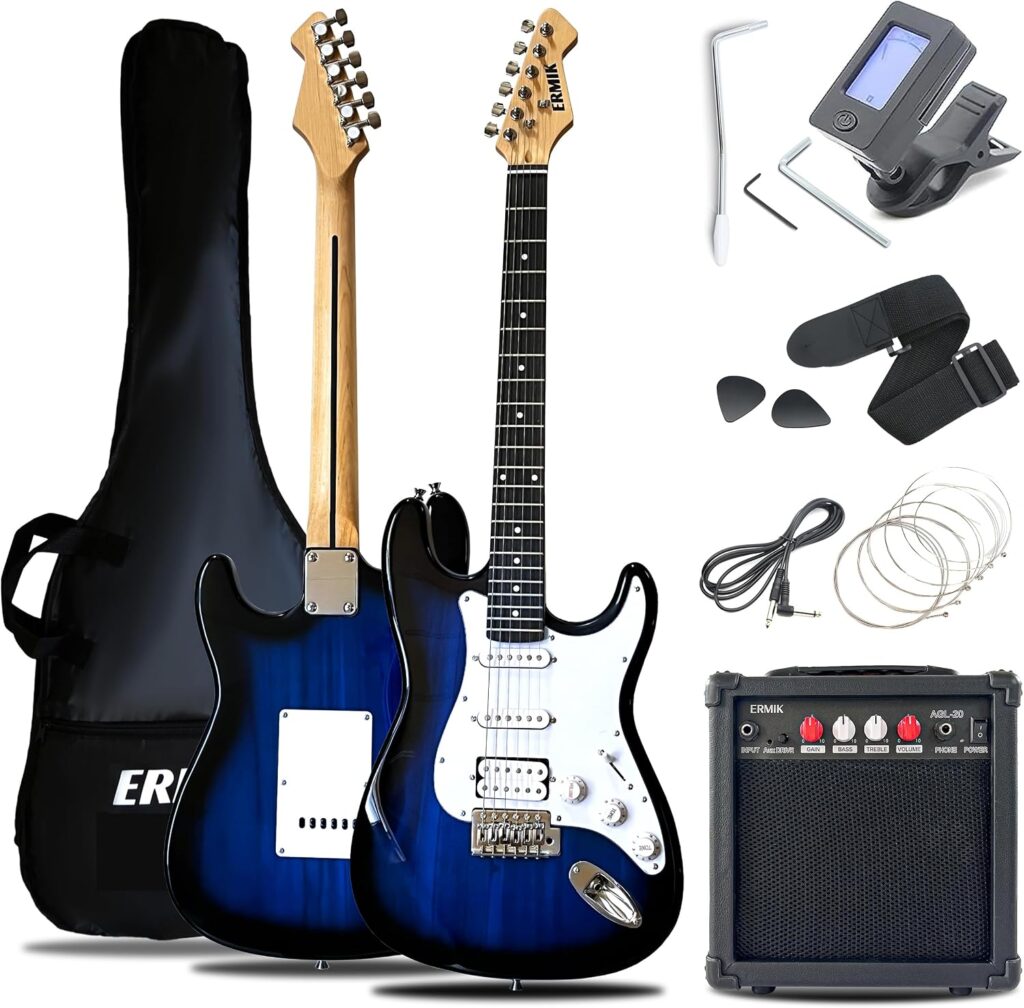
Ermik Solid Body Electric Guitar Kit
This affordable kit provides everything you need to build a personalized, high-quality electric guitar for a rewarding hands-on experience.
Buyers generally find the Ermik electric guitar kit to be a comprehensive and affordable package, making it a popular choice for beginners.
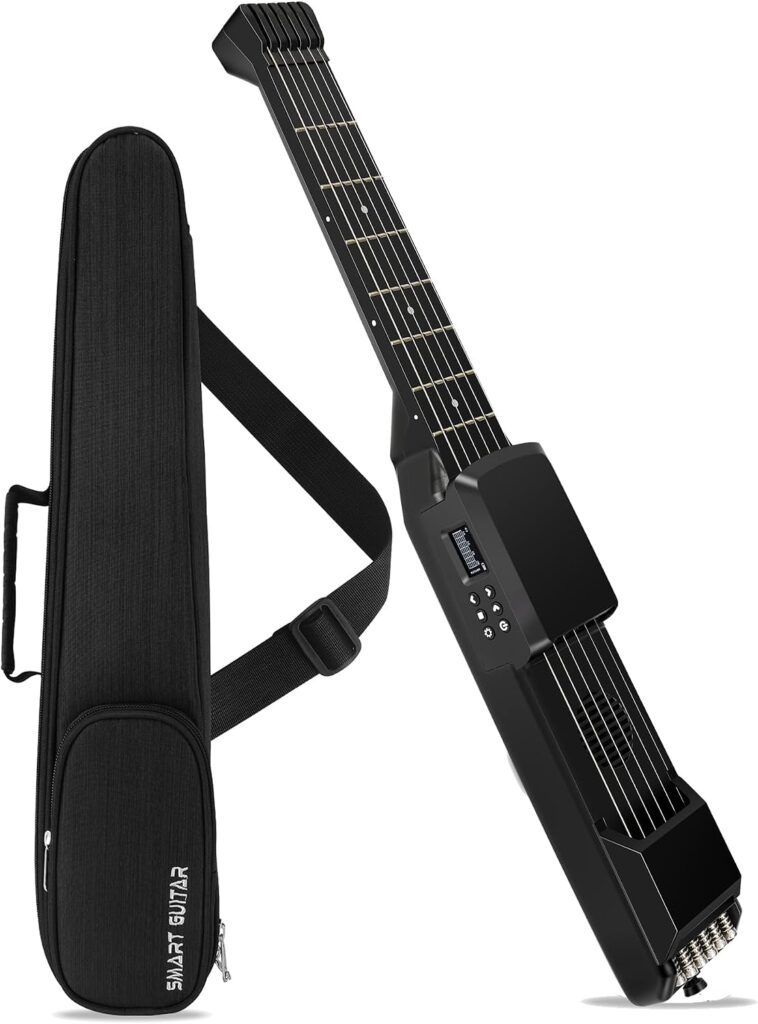
Portable Guitar Chord Trainer
Build essential chord muscle memory silently, allowing you to practice anywhere without needing your actual guitar.
Overall, customers find this portable guitar trainer to be an excellent and innovative tool, especially for beginners or those needing a silent practice solution.
Why Choosing the Right Beginner Guitar Matters
Selecting your first acoustic guitar can make or break your learning journey. A poorly constructed instrument with high action, buzzing frets, or intonation issues can frustrate new players and lead many to quit before they’ve truly started. The right beginner guitar should feel comfortable, produce clear tones, and stay in tune reliably, removing barriers between you and consistent practice.
Key Factors to Consider Before Buying
Body Size and Shape
Acoustic guitars come in various body styles, each affecting playability and tone differently.
Dreadnought guitars are the most common body shape, offering a balanced, loud tone perfect for strumming. Their larger size can feel bulky for smaller players or younger beginners.
Concert and Grand Concert models are smaller, making them ideal for players with shorter arms or smaller frames. They offer a warmer, more focused sound.
Auditorium/Orchestra shapes strike a balance between dreadnought power and concert comfort, making them versatile choices for fingerstyle and strumming alike.
Parlor guitars are the smallest traditional size, excellent for children or travel, though they sacrifice some volume and low-end resonance.
Tonewood Considerations
The wood used in construction significantly impacts sound quality and price.
- Spruce tops are common on beginner models due to their bright, articulate tone and durability.
- Mahogany bodies produce warmer, midrange-focused sounds, excellent for fingerpicking.
- Laminate woods (versus solid wood) are more affordable and resistant to humidity changes, a practical choice for beginners still learning proper guitar care.
Neck Width and Action
A comfortable neck profile matters enormously for developing proper technique. Guitars with lower action (the distance between strings and fretboard) require less finger strength, reducing early frustration and hand fatigue.
Budget Expectations
Quality beginner acoustics typically range. Spending less often means compromising on construction quality, while spending significantly more isn’t necessary until you’ve developed clearer preferences.
Top Acoustic Guitar Recommendations for Beginners
1. Yamaha FG800
The Yamaha FG800 has earned legendary status among guitar teachers and beginners alike. Featuring a solid spruce top paired with nato/okume back and sides, this dreadnought delivers surprisingly rich, balanced tone for its
Strengths:
- Excellent build quality and consistency
- Comfortable neck profile suitable for various hand sizes
- Impressive projection and clarity
- Exceptional value for the price
Considerations: The dreadnought body may feel large for younger or smaller players.
2. Fender CD-60S
Fender’s CD-60S combines solid mahogany or spruce top construction with laminate back and sides, creating a warm, articulate sound.
Strengths:
- Comfortable “easy-to-play” neck shape
- Durable finish resistant to everyday wear
- Wide tonal range suitable for various music styles
- Available in multiple finishes
Considerations: Stock strings are often replaced quickly by more experienced players.
3. Epiphone DR-100
For budget-conscious beginners, the Epiphone DR-100 offers remarkable value at. This dreadnought features a select spruce top with mahogany back and sides.
Strengths:
- Extremely affordable entry point
- Classic dreadnought tone and projection
- Available in multiple attractive finishes
- Solid construction despite budget pricing
Considerations: Setup out-of-box may require professional adjustment for optimal playability.
4. Taylor Academy 12
Taylor’s Academy series was specifically designed with beginners in mind, and the Academy 12 exemplifies this focus. Its Grand Concert body size makes it comfortable for smaller players, while layered sapele back and sides paired with a solid spruce top produce impressively mature tone.
Strengths:
- Exceptional playability with Taylor’s renowned neck design
- Slightly smaller body ideal for comfort
- Premium build quality from a respected brand
- Excellent intonation and tuning stability
Considerations: Higher compared to entry-level competitors.
5. Martin LX1 Little Martin
For younger players or those seeking portability, the Little Martin offers genuine Martin craftsmanship in a compact package. This 3/4-size guitar features solid spruce top construction with mahogany-pattern high-pressure laminate.
Strengths:
- Authentic Martin tone and heritage
- Perfect size for children or travel
- Surprisingly rich sound despite small size
- Comes with a padded gig bag
Considerations: Smaller size means reduced volume and bass response compared to full-size guitars.
6. Ibanez AW54
The Ibanez AW54 auditorium-style guitar features solid mahogany top construction, delivering warm, woody tones perfect for fingerstyle and folk music.
Strengths:
- Solid top construction at an affordable price
- Comfortable auditorium body size
- Rich, warm tonal characteristics
- Good build quality and hardware
Considerations: Less bright and projecting compared to spruce-top alternatives.
Essential Accessories for New Players
Beyond the guitar itself, several accessories enhance the learning experience:
Digital Tuner: Clip-on tuners ensure your instrument stays properly tuned, crucial for developing accurate pitch recognition.
Guitar Picks: Experiment with different thicknesses (thin, medium, heavy) to discover your preferred playing style.
Capo: This simple device allows you to play in different keys without learning new chord shapes, expanding your song repertoire quickly.
Guitar Strap: Essential for standing practice and performance, helping develop proper posture habits early.
Case or Gig Bag: Protects your investment from humidity, temperature changes, and accidental damage.
Extra Strings: Strings break, especially during initial learning phases when players apply inconsistent pressure.
Setup and Maintenance Tips
New guitars often benefit from a professional setup, even straight from reputable retailers. This process involves adjusting truss rod tension, action height, and intonation, dramatically improving playability for minimal cost ().
Regular maintenance extends your instrument’s lifespan:
- Wipe down strings after each practice session to remove oils and sweat
- Store your guitar in moderate humidity (40-50%) to prevent wood warping or cracking
- Change strings every 3-6 months depending on playing frequency
- Keep your guitar in its case when not in use, especially in fluctuating climates
Making Your Final Decision
When narrowing down choices, visit local music stores whenever possible to physically hold and play different models. Body size comfort varies significantly between individuals, and what works for one beginner might feel awkward for another.
Consider your musical goals: fingerstyle players might prefer smaller-bodied guitars with balanced tone, while those focused on strumming and singing might benefit from a dreadnought’s volume and projection.
Don’t underestimate the importance of aesthetic appeal, either. A guitar you find visually appealing is one you’re more likely to pick up regularly, and consistent practice remains the single most important factor in developing musical skill, regardless of which quality instrument you choose.
Trust reputable brands with established reputations for beginner instruments, as they’ve refined their entry-level offerings through decades of feedback and iteration. Companies like Yamaha, Fender, Epiphone, Taylor, and Martin have specifically engineered budget-friendly options that don’t sacrifice the fundamental playing experience new musicians need to develop proper technique and lasting enthusiasm for the instrument.
For broader buying guidance, see independent testing resources such as Consumer Reports.
Our #1 rated choice balances quality, features and price better than anything else on this list.
See the #1 Pick on AmazonYou Might Also Like