Table of Contents
Our Top Picks at a Glance
Every product below is drawn from our own hands-on reviews, ranked by real buyer ratings, with live availability and pricing on Amazon.
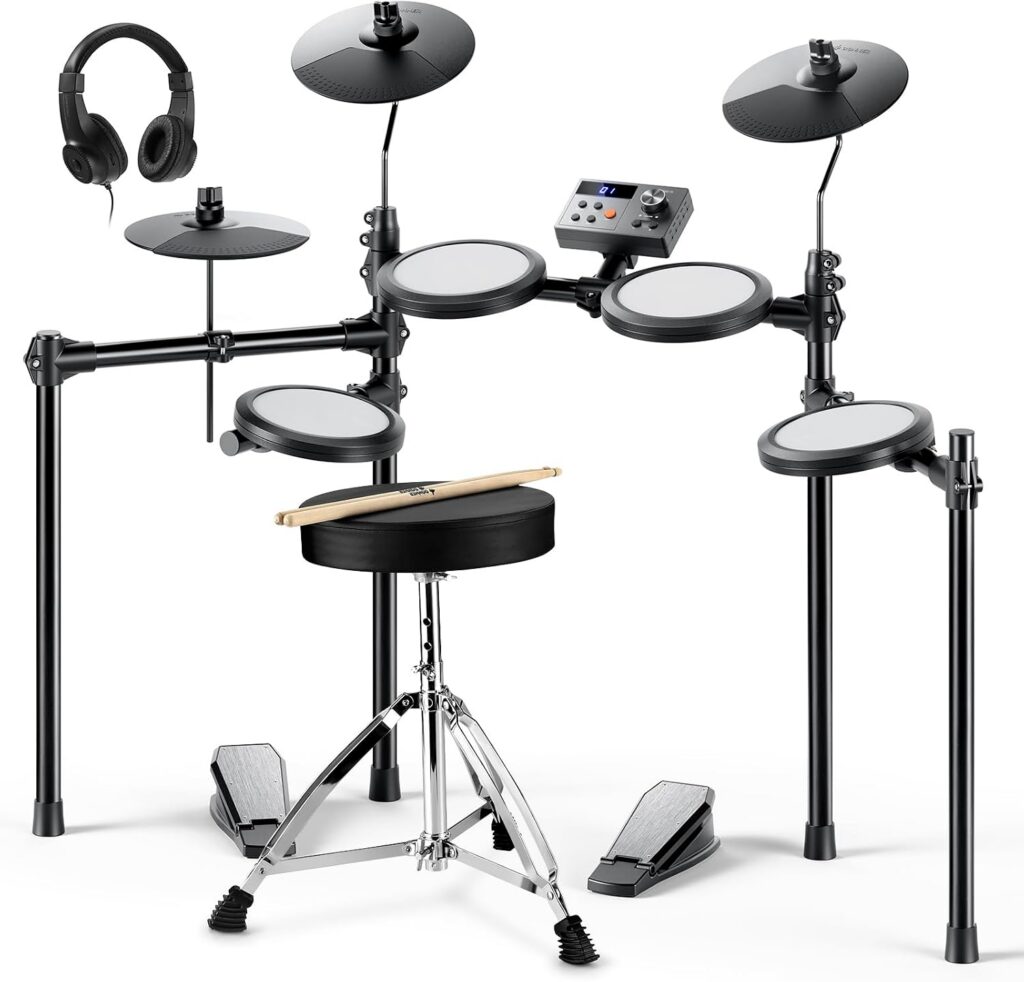
Donner Electric Drum Set
Its combination of quality features and affordability makes it an outstanding choice for beginners and budget-conscious drummers.
Overall, customers find the Donner DED-70 electric drum set to be an excellent and affordable entry point for young beginners.
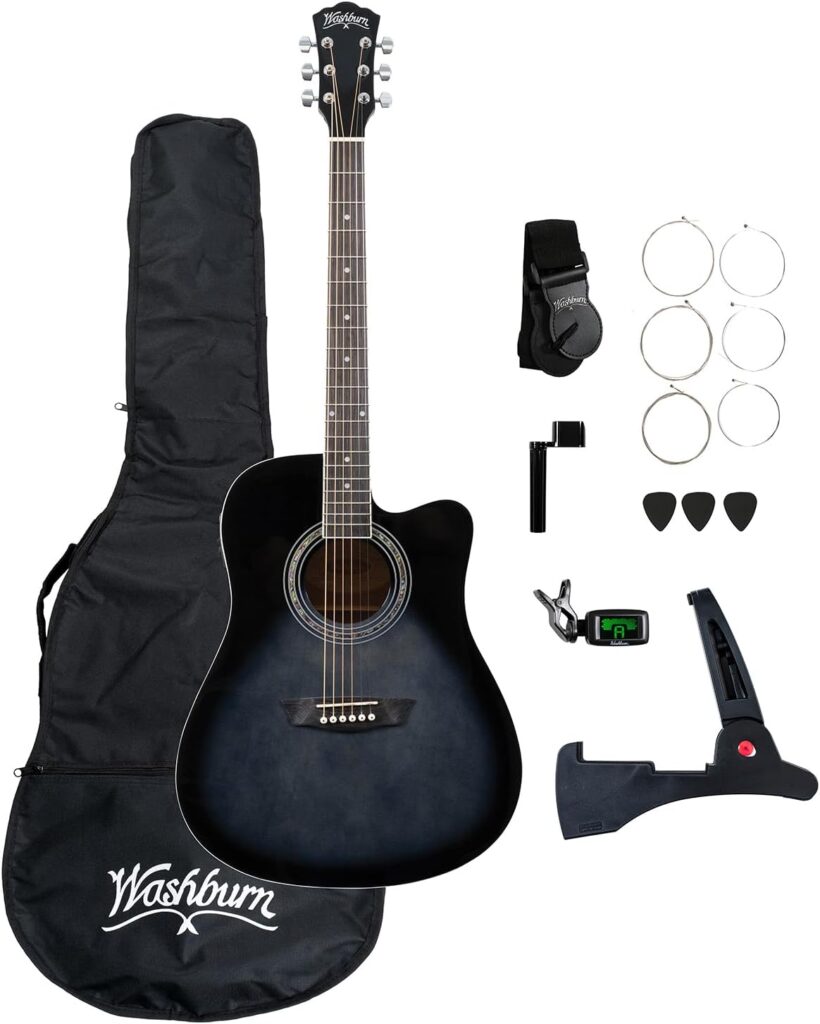
Washburn Acoustic
Washburn acoustic guitars blend a legacy of craftsmanship with rich tone, delivering exceptional value for players at any level.
Most buyers find the Washburn acoustic-electric guitar to be an outstanding value, especially for beginners or as a reliable backup instrument.
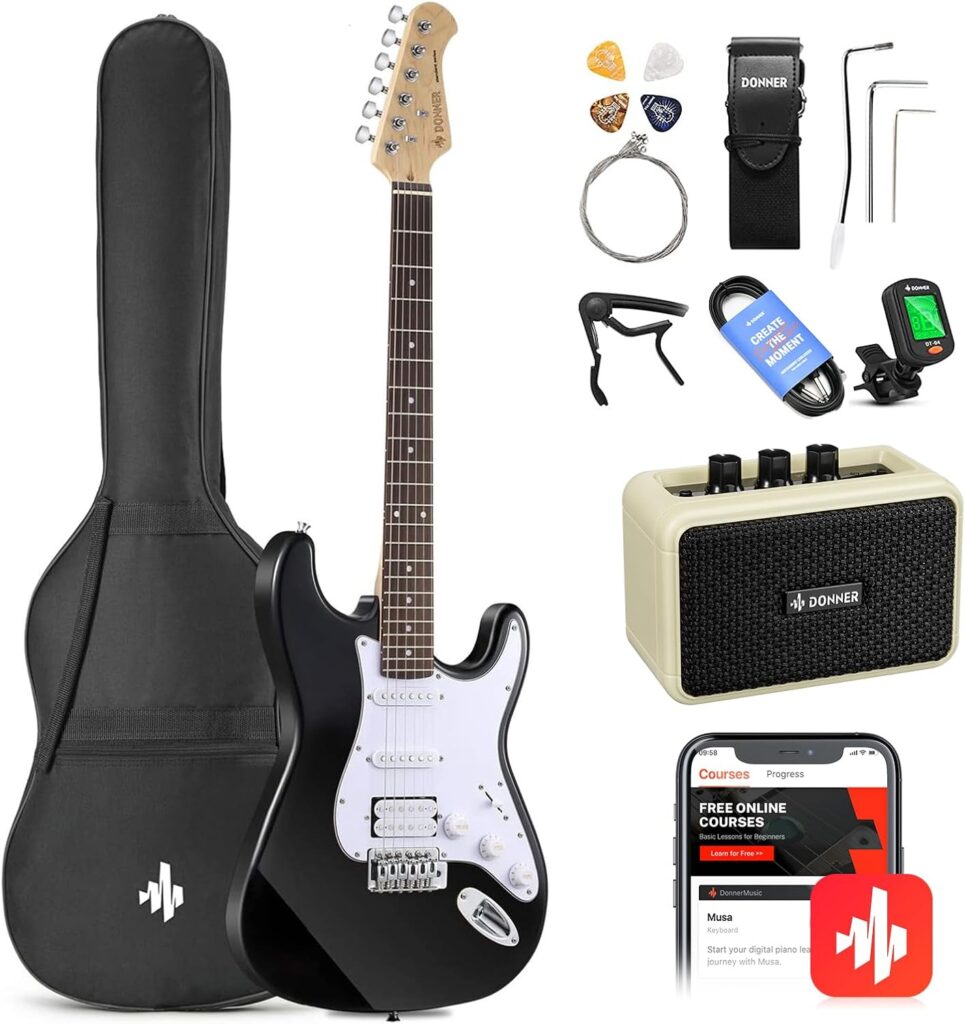
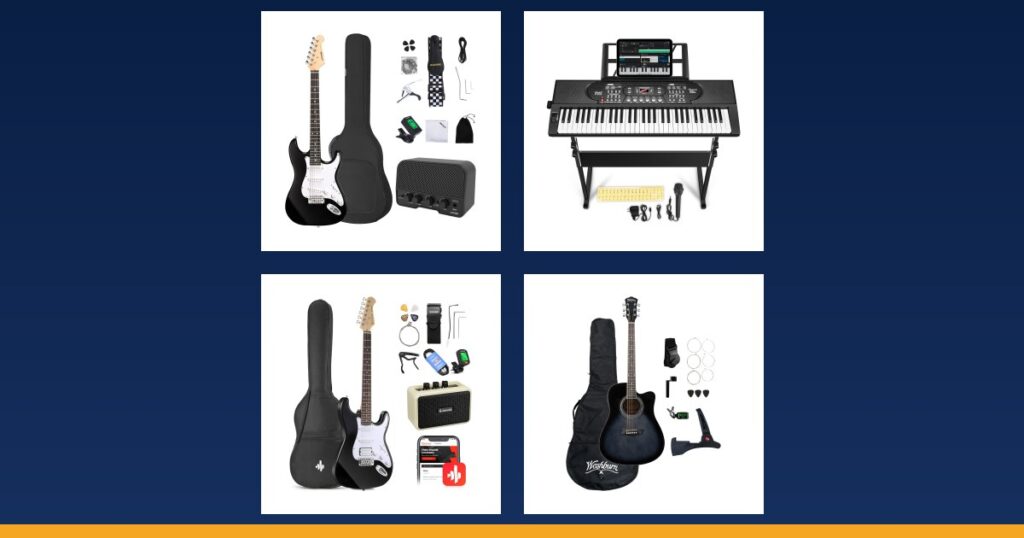
Donner Electric Guitar Beginner Kit
This all-in-one kit offers exceptional value, bundling a quality beginner's guitar and every necessary accessory to start playing immediately.
Overall, customers widely agree that the Donner Electric Guitar Beginner Kit offers outstanding value, making it a highly recommended choice for aspiring musicians.
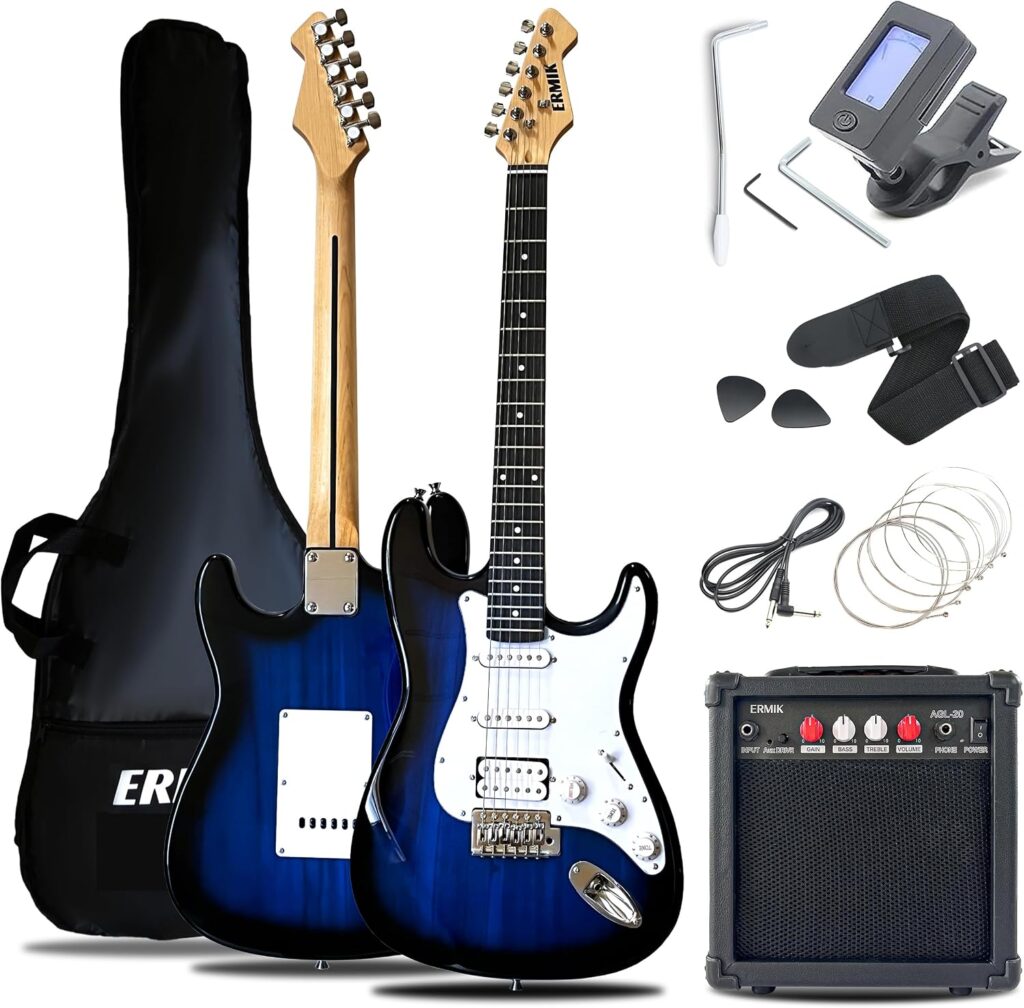
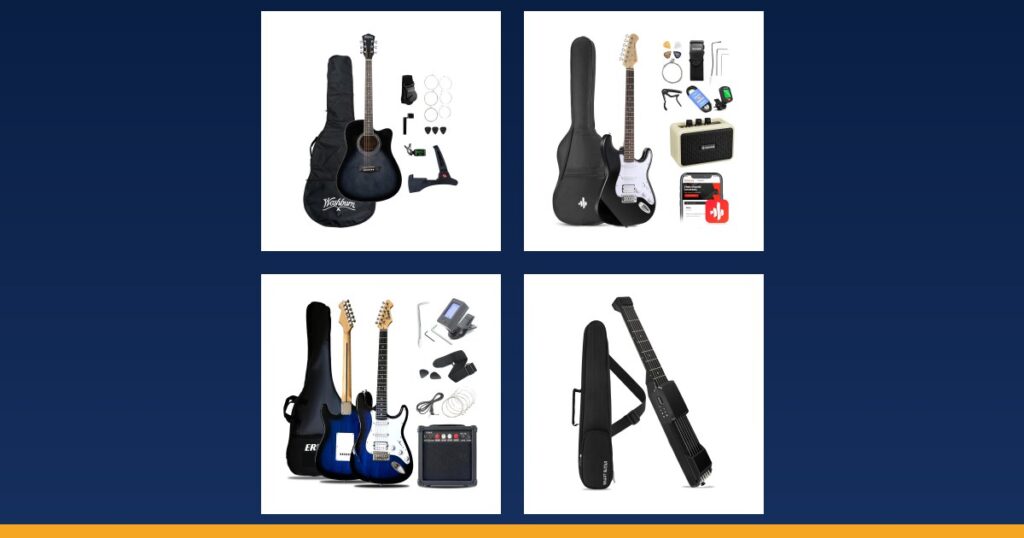
Ermik Solid Body Electric Guitar Kit
This affordable kit provides everything you need to build a personalized, high-quality electric guitar for a rewarding hands-on experience.
Buyers generally find the Ermik electric guitar kit to be a comprehensive and affordable package, making it a popular choice for beginners.
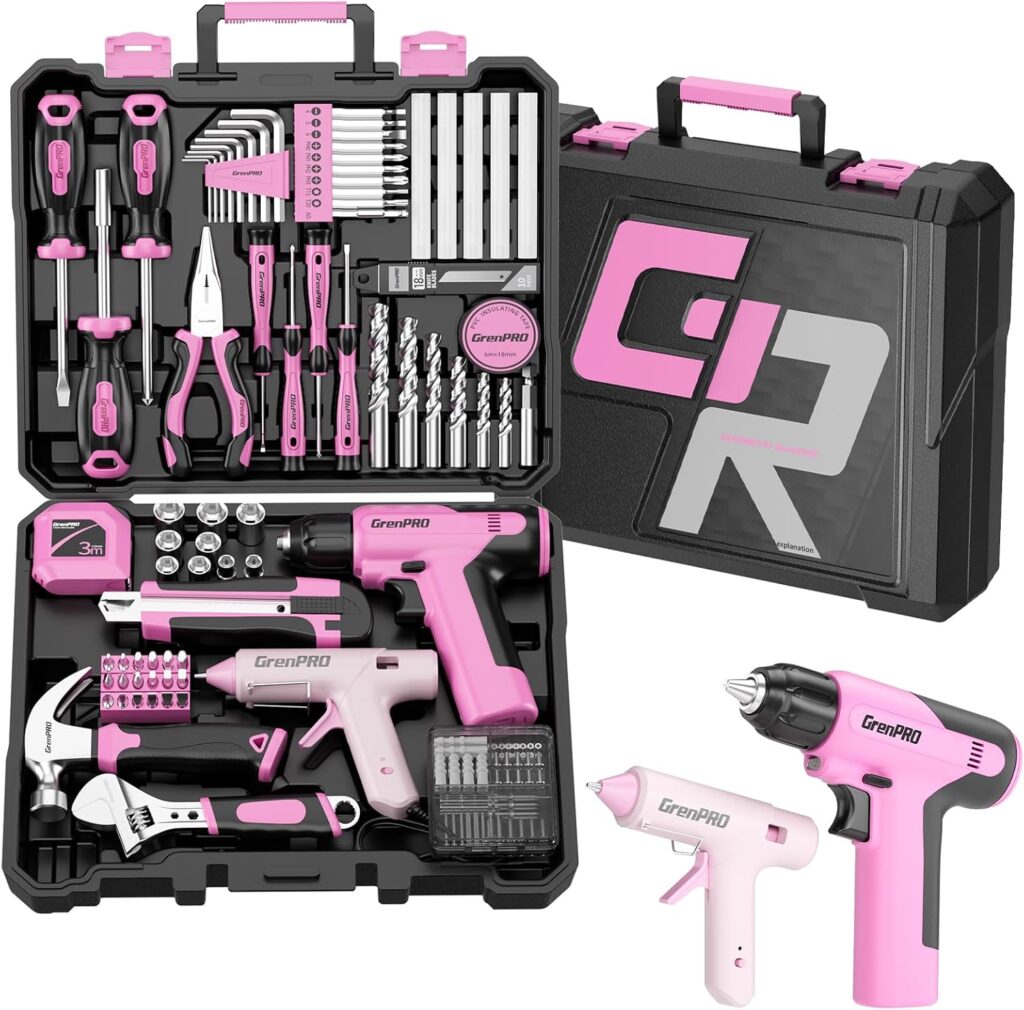
GRENPRO Cordless Drill Kit
This affordable kit delivers robust performance with two batteries and a vast accessory set, offering exceptional value for various home projects.
Overall, customers find the GRENPRO pink tool kit to be a convenient and comprehensive starter set for basic household needs.
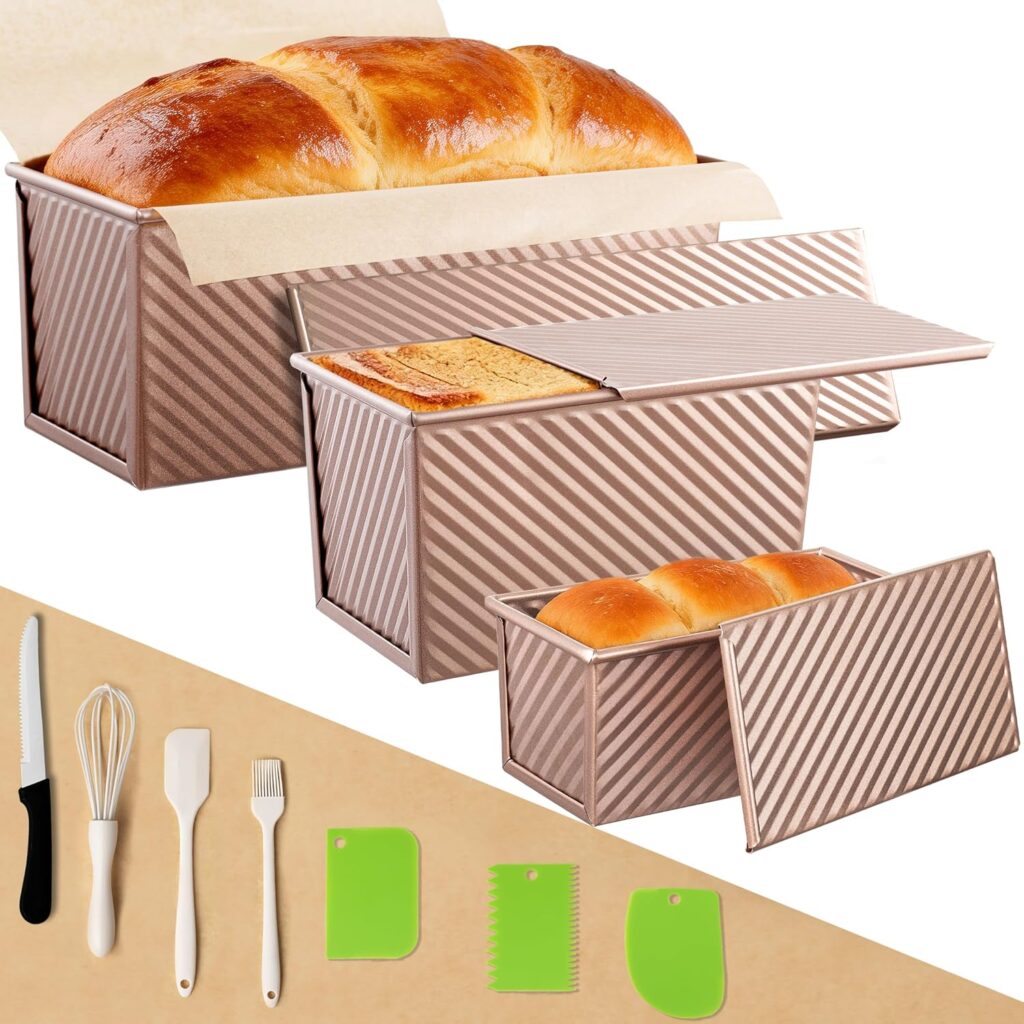
Pullman Bread Loaf Pan
This lidded pan produces perfectly square loaves with a fine crumb, ensuring uniform slices for professional-quality sandwiches.
Overall, customers express strong satisfaction with this Pullman loaf pan set, frequently highlighting its value and performance for home bakers.
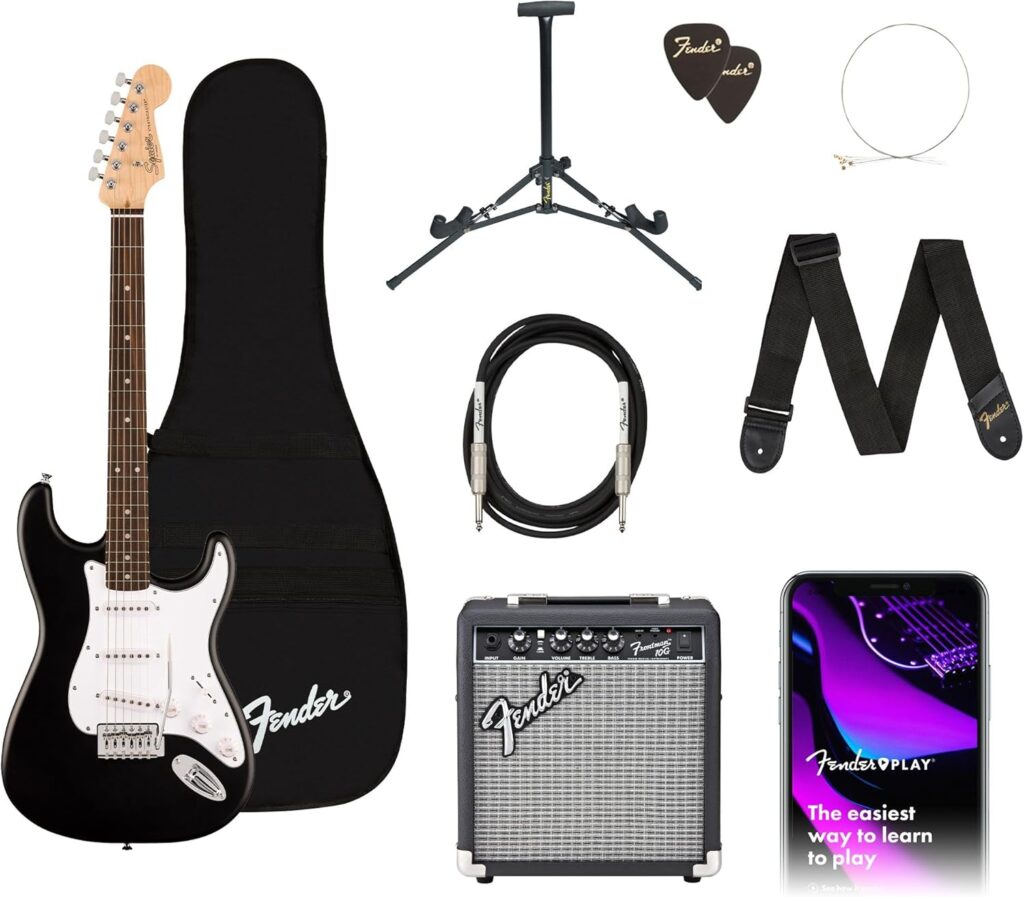
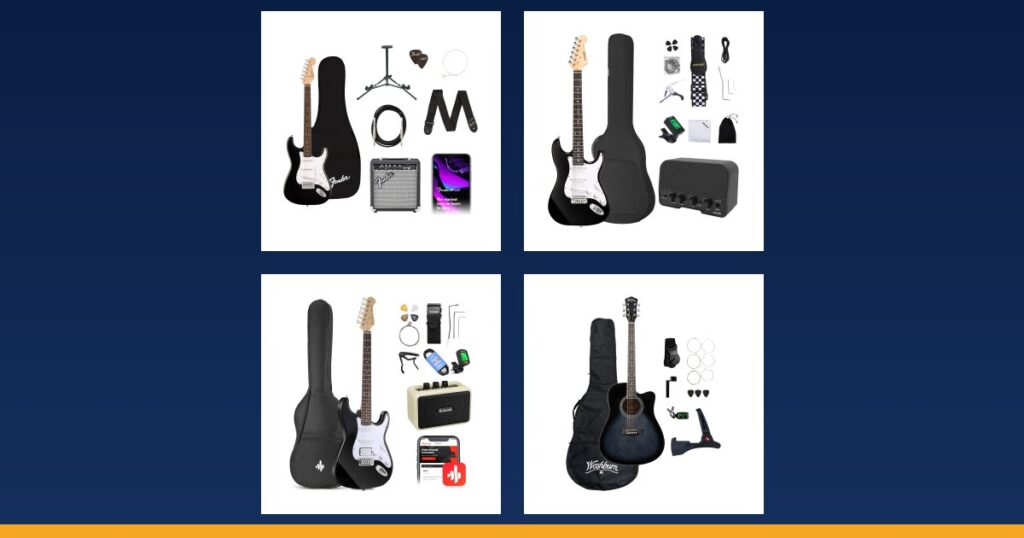
Fender Squier Stratocaster Electric Guitar Kit
This affordable kit includes a trusted Squier guitar and all the accessories a beginner needs to start playing immediately.
Buyers overwhelmingly agree that the Fender Squier Stratocaster kit is an exceptional value and a fantastic starting point for new guitarists.
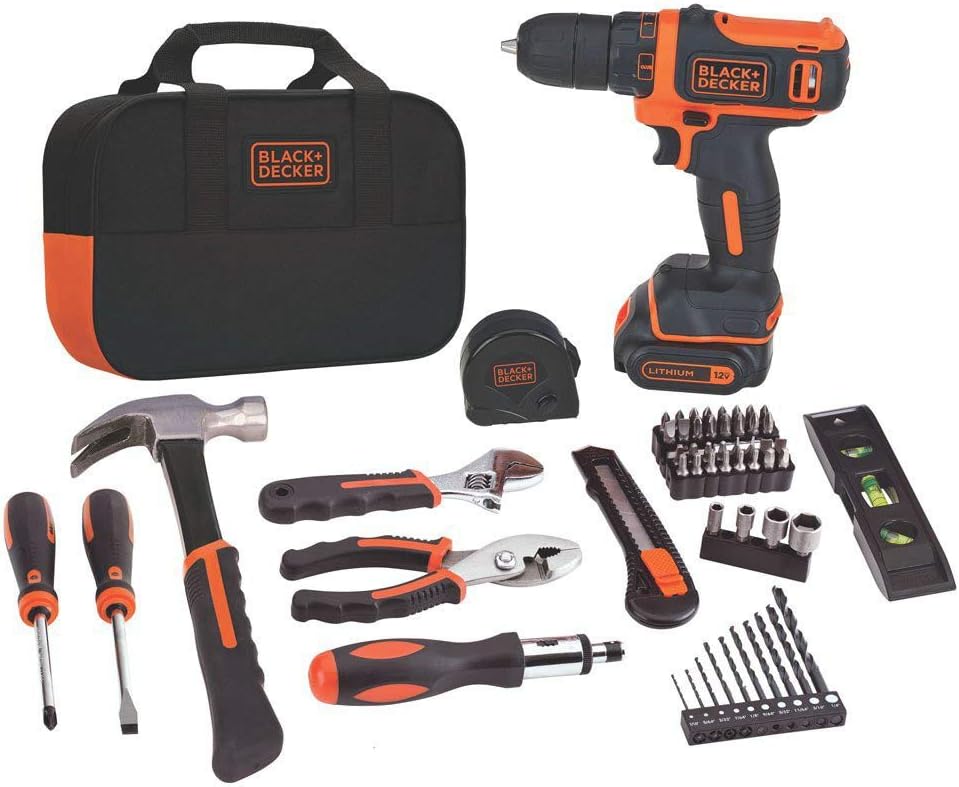
Black+Decker Drill and Home Tool Kit
This affordable all-in-one set provides a reliable drill and essential tools for tackling countless home repairs and DIY projects.
Customers overwhelmingly see this Black+Decker set as an excellent and convenient starter kit, perfect for new homeowners and basic household projects.
- Understanding Guitar Sizes for Different Ages
- Acoustic vs. Electric: Which Should Beginners Choose?
- Top Acoustic Guitar Picks for Beginners
- Top Electric Guitar Picks for Kids and Teens
- What to Look for in a Beginner Guitar Package
- Budget Considerations: How Much Should You Spend?
- Essential Accessories Every Beginner Needs
- Signs Your Child Is Ready to Upgrade
- Tips for Encouraging Consistent Practice
- Final Buying Checklist Before Purchase
Understanding Guitar Sizes for Different Ages
Choosing the correct guitar size is the single most important factor when shopping for a young musician. An instrument that’s too large will discourage practice, cause poor posture, and make chord shapes nearly impossible to form with small hands. Guitars are typically categorized by fractional sizes: 1/4 size for children ages 3-6, 1/2 size for ages 6-9, 3/4 size for ages 9-12, and full-size for teens 12 and up or anyone over 5 feet tall.
Before purchasing, measure your child’s height and consider their arm length. A quick test: have them sit with the guitar body against their torso, their strumming arm should comfortably reach over the body, and their fretting hand should reach the neck without excessive stretching. Many music stores allow in-person sizing sessions, which is invaluable for first-time buyers who aren’t sure which fraction size fits best.
Acoustic vs. Electric: Which Should Beginners Choose?
This debate has persisted for decades, and the honest answer depends on the child’s musical taste and learning goals. Acoustic guitars are often recommended for absolute beginners because they require no additional equipment, are more portable, and build finger strength quickly due to higher string tension. They’re also more affordable as complete starter kits.
Electric guitars, however, have thinner necks and lighter strings, making them easier on small fingers. If your teen is drawn to rock, blues, or metal, starting on electric can keep motivation high since it matches their musical interests. The downside is the added cost of an amplifier, cables, and possibly a tuner. Classical/nylon-string guitars are another excellent option for younger children, as nylon strings are gentler on fingertips and easier to press down compared to steel strings.
Top Acoustic Guitar Picks for Beginners
Yamaha FG800 stands out as one of the most trusted entry-level acoustic guitars. It features solid Sitka spruce top construction, which produces surprisingly rich tone for its price point. It’s available in full and 3/4 sizes, making it versatile for growing teens.
Fender FA-15 is a fantastic 3/4 size option specifically designed with younger players in mind. It often comes bundled with a gig bag, making it a convenient all-in-one package for parents who want to avoid buying accessories separately.
Cordoba C1M offers a classical nylon-string design ideal for children just starting out. The softer strings reduce finger soreness during the crucial early weeks of practice when calluses haven’t yet formed.
Jasmine S35 is a budget-friendly dreadnought acoustic that punches above its price class in terms of sound quality and build durability, making it a favorite among guitar teachers for student recommendations.
Top Electric Guitar Picks for Kids and Teens
Squier Mini Stratocaster by Fender is specifically engineered for younger players and smaller frames. Its scaled-down body and shorter scale length make it exceptionally comfortable while still delivering authentic Strat tone and playability.
Epiphone Les Paul Special-II offers teens a rock-solid introduction to the iconic Les Paul design at an accessible price. It’s slightly heavier than other beginner options, so it suits taller or older teens better than younger children.
Ibanez GRGM21 (Mikro series) is another compact electric designed for smaller players, popular among young rock and metal enthusiasts thanks to its sleek, fast-playing neck.
Yamaha Pacifica PAC012 consistently earns praise from instructors for its versatility and quality construction, making it suitable for various music genres as a teen’s taste evolves.
What to Look for in a Beginner Guitar Package
Many manufacturers offer complete starter kits, which can be a smart choice for families new to guitar shopping. A solid beginner package should include the guitar itself, a gig bag or hardshell case for protection during transport, a digital tuner (or clip-on tuner), extra strings, a strap, and a handful of picks in varying thicknesses.
Some higher-end kits also include instructional materials like a chord chart, beginner songbook, or access to an online lesson platform. While these bundles are convenient, always verify the guitar’s build quality isn’t sacrificed just to include extra accessories, read reviews specifically about the instrument’s playability, not just the bundle’s value.
Budget Considerations: How Much Should You Spend?
For a first guitar, spending between and typically yields a satisfying balance of quality and affordability. Instruments
If your child shows consistent interest after a few months, investing in a mid-range guitar between and can offer noticeably improved tone woods, hardware, and craftsmanship. Renting a guitar is also a viable option for families uncertain about long-term commitment, many music shops offer rent-to-own programs that apply monthly payments toward eventual ownership.
Essential Accessories Every Beginner Needs
Beyond the guitar itself, a few accessories make the learning process smoother. A clip-on chromatic tuner ensures the instrument always sounds correct, which is crucial for training young ears. A comfortable strap allows for standing practice sessions, which many teens prefer once they gain confidence.
A capo, while not essential immediately, becomes useful once basic chords are mastered, allowing players to explore new keys easily. Extra sets of strings are a smart investment since beginners often break strings while learning proper tuning and strumming techniques. Finally, a sturdy guitar stand encourages more frequent practice, since an instrument left in its case is far less likely to be picked up spontaneously.
Signs Your Child Is Ready to Upgrade
Watch for specific indicators suggesting it’s time for a better instrument. If your child has outgrown their fractional-size guitar physically, or if they’ve been consistently practicing for six months to a year and express frustration with their current instrument’s sound or playability, it may be time to consider an upgrade. Guitar teachers can offer valuable insight here, often noticing subtle signs like awkward hand positioning caused by an ill-fitting neck.
Tips for Encouraging Consistent Practice
Selecting the right guitar is only half the equation, consistent practice habits matter just as much for skill development. Setting a designated practice time, celebrating small milestones like learning a first song, and enrolling in lessons (whether in-person or via online platforms) can dramatically improve retention and enthusiasm.
Involving kids in the guitar selection process itself, letting them choose the color, body style, or even brand, can increase their emotional investment in learning the instrument. When a child feels ownership over their choice, they’re statistically more likely to stick with lessons long-term.
Final Buying Checklist Before Purchase
Before finalizing any purchase, check the guitar’s action (string height), guitars with high action are harder to press down and can discourage new players. Inspect the neck for warping by looking down the fretboard from the headstock. Ensure tuning pegs turn smoothly without slipping, and if possible, have a knowledgeable friend or teacher test the instrument’s intonation before you commit to buying.
For broader buying guidance, see independent testing resources such as Consumer Reports.
Our #1 rated choice balances quality, features and price better than anything else on this list.
See the #1 Pick on AmazonYou Might Also Like